>>
30-MINUTE MEALS! Get the email series now →


A luxuriously creamy, intentionally caramelized Basque-style cheesecake with a deeply browned top and a silky interior—simple ingredients, spectacular results.
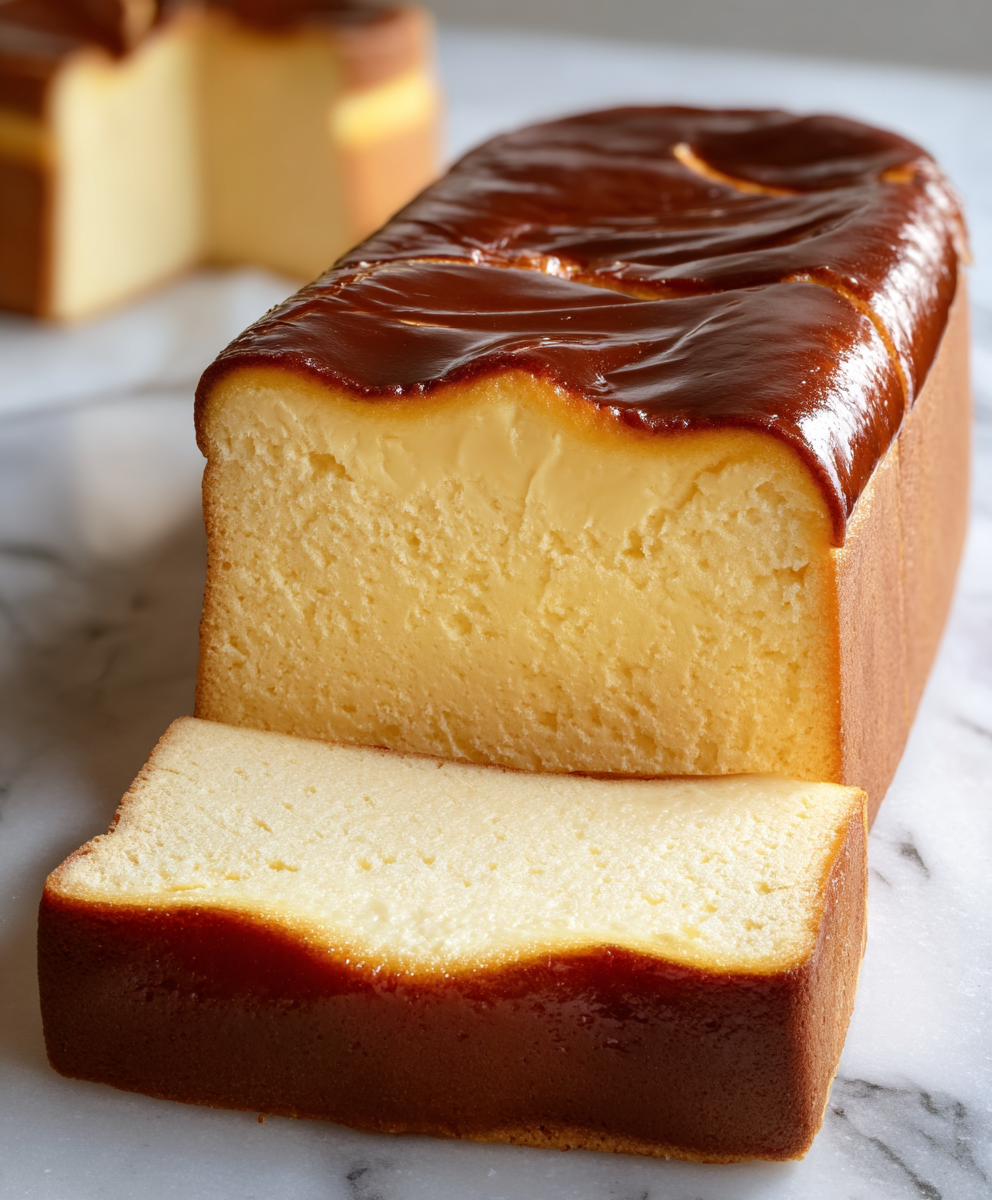
This Burnt Basque Cheesecake is my go-to for celebrations and quiet weekends alike. I first learned this style from a small bakery cookbook while traveling through the Basque region, where the intentionally dark, blistered top and custardy center are the point. I adapted the proportions to use a loaf pan for a taller, more elegant slice that still delivers that signature contrast: a bitter, caramelized crust and an irresistibly rich inner texture. The recipe uses kitchen staples—cream cheese, sugar, eggs, cream, a touch of flour and salt—which means you can pull it together on short notice and still impress a crowd.
What makes this version special is the balance between oven temperature and timing. A very hot oven encourages browning and an almost burnt top while the interior stays gentle and spoonable. I discovered the ideal balance after a few test bakes in a small apartment oven one winter; the second attempt yielded a surface so dark it looked dramatic and innovative, while the first bite was creamy and slightly tangy. Friends have described it as more like a custard wrapped in a toasty cloak, and the leftovers (if there are any) keep their silkiness in the refrigerator for days.
I still remember the first time I served this to my family: my usually stoic brother closed his eyes after the first bite and asked for the recipe. Over the years I’ve learned that a little patience and confidence with high-heat baking rewards you with dramatic color and restrained sweetness. This recipe has become my dessert shorthand for both dinner parties and lazy Sunday afternoons.
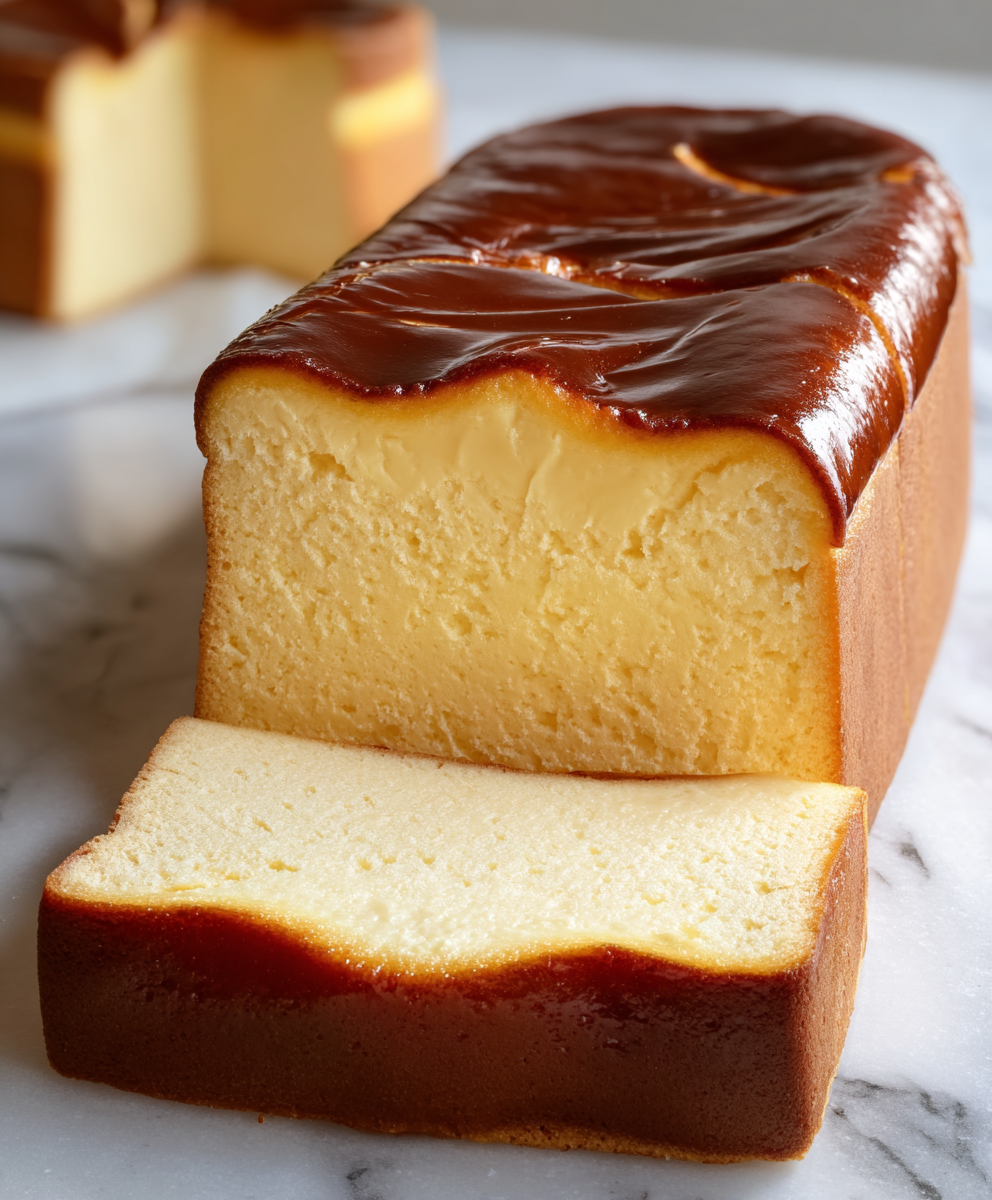
My favorite aspect of this dessert is how it looks and tastes so sophisticated despite the short ingredient list. The contrast between the toasted top and custard-like center always sparks compliments and conversation. Once, at a backyard dinner, guests debated whether it was a tart or a cake; the consensus was that it was perfectly both. That kind of reaction makes the extra attention to baking temperature and cooling completely worth it.
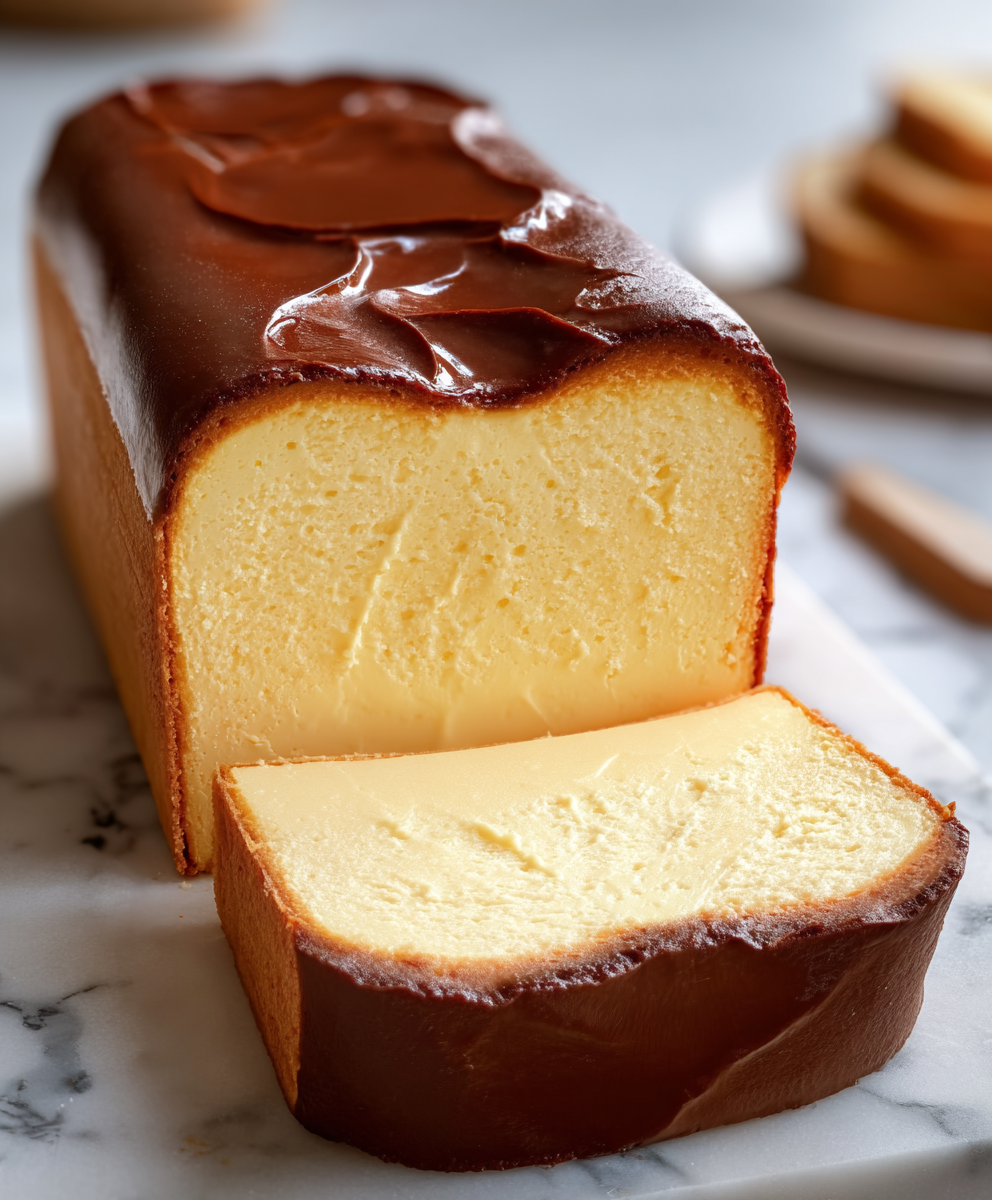
Store sliced or whole cheesecake in the refrigerator, tightly covered with plastic wrap or in an airtight container to prevent odor absorption and drying. It keeps well for up to 5 days in the fridge. For longer storage, freeze slices individually wrapped in plastic then foil; they will keep quality for up to 3 months. To serve, thaw overnight in the refrigerator and bring to room temperature for 20 to 30 minutes to restore silkiness. Reheat briefly in a warm oven if you prefer a just-warmed interior, but avoid long reheating which can alter texture.
If you need to lighten the recipe, swap heavy cream for light cream or half-and-half, keeping in mind that richness and mouthfeel will be slightly reduced. Use a gluten-free all-purpose flour blend in a 1:1 ratio for a gluten-free option; texture will be marginally less elastic. For dairy-free adaptations, this recipe requires more extensive changes—plant-based cream cheeses and creams exist but may not caramelize the same way and often produce a looser center. Reduce sugar slightly if you prefer a less sweet finish, but the sugar also helps with browning.
Serve slices with a dollop of unsweetened whipped cream to offset richness, or add a handful of fresh berries for acidity and color. A drizzle of warm salted caramel or a spoonful of fruit compote transforms it into a celebration dessert. For coffee service, slice thinner portions and plate with a small cookie or toasted nut garnish. Use a hot, dry knife for clean slices and wipe the blade between cuts to maintain presentation.
The Basque-style cheesecake originates from the Basque region of Spain and was popularized by a bakery in San Sebastián in the late 20th century. Unlike classic New York-style cheesecakes which bake at lower temperatures for a pale top, this style intentionally achieves heavy caramelization for a smoky, toasted flavor. It reflects Basque cuisine’s appreciation for simple, high-quality ingredients with bold techniques that accentuate natural flavors. Today it’s a global favorite because it looks artisanal yet is straightforward to make.
In summer, pair slices with macerated strawberries and a squeeze of lemon to add vibrancy. In autumn, top with roasted pears and a drizzle of maple-spiced caramel for warmth. During the holidays, add a teaspoon of orange zest and swap some of the sugar for brown sugar to introduce toffee notes. These small seasonal tweaks keep the base technique intact while tailoring the flavor profile to the time of year.
Bake the cake a day ahead and chill overnight for streamlined serving the following day. Portion into individual slices before guests arrive to make plating simple. Store pre-sliced portions between sheets of parchment to prevent sticking. If transporting, place slices in a shallow cake box with a chilled gel pack to maintain structure. The stable slices make this dessert ideal for potlucks and catered events.
Making this Burnt Basque Cheesecake is both a learning experience and a celebration of contrast: burnt and buttery, rustic and refined. It rewards curiosity and patience, and once you find your preferred degree of browning and chill-time, it becomes a reliably spectacular centerpiece. Share a slice and enjoy the conversations that follow.
Always use room-temperature cream cheese and eggs to avoid lumps and ensure a smooth batter.
Bake at high heat to develop the characteristic caramelized top while keeping the center custardy.
Chill at least 4 hours for best slicing; for clean cuts, run a hot knife under warm water and dry before slicing.
Line the loaf pan with a single large sheet of parchment with overhang to make unmolding easy.
This nourishing burnt basque cheesecake recipe is sure to be a staple in your kitchen. Enjoy every moist, high protein slice — it is perfect for breakfast or as a wholesome snack any time.
This Burnt Basque Cheesecake recipe makes perfectly juicy, tender, and flavorful steak every time! Serve with potatoes and a side salad for an unforgettable dinner in under 30 minutes.
Preheat oven to 450°F. Line a 9x5-inch loaf pan with parchment, leaving an overhang. Lightly grease the pan first so parchment adheres and unmolding is easier.
In a mixing bowl, beat room-temperature cream cheese with granulated sugar until completely smooth, about 2 to 3 minutes. Scrape sides to avoid lumps.
Add the eggs one at a time, mixing on low until each is incorporated. This prevents curdling and produces a silky batter.
Stir in heavy cream, flour, and salt; fold gently or mix briefly until just combined. Do not overmix to avoid excess air.
Pour batter into the prepared pan and bake at 450°F for 40 to 50 minutes until the top is deeply browned and the center still wobbles slightly.
Cool in the pan for 1 hour, then lift out using the parchment overhang and chill at least 4 hours or overnight before slicing.
Last Step: Please leave a rating and comment letting us know how you liked this recipe! This helps our business to thrive and continue providing free, high-quality recipes for you.
Leave a comment & rating below or tag
@feedcooks on social media!
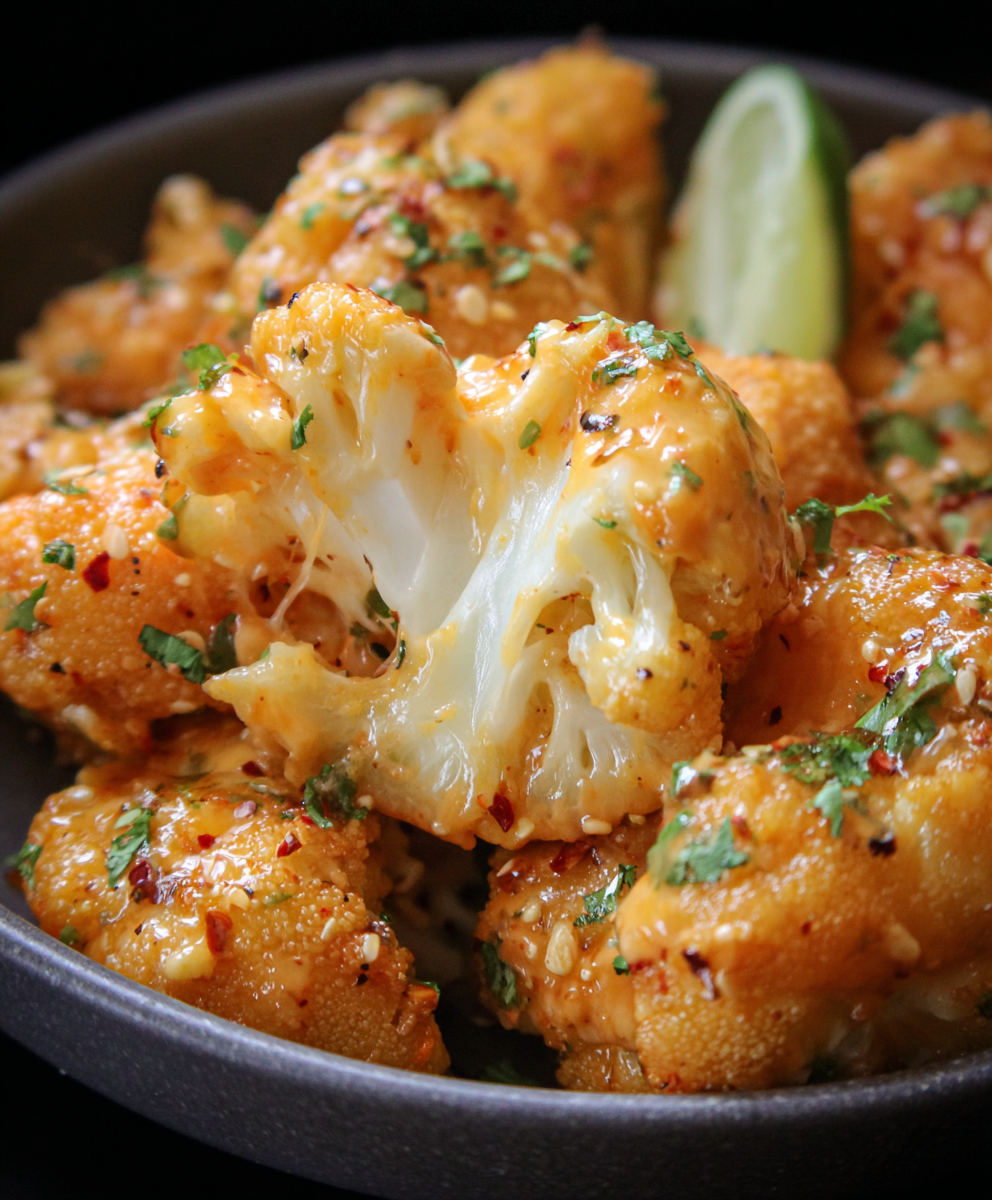
Crispy air-fried cauliflower tossed in a creamy, sweet-spicy bang bang sauce. A crowd-pleasing appetizer or vegetarian main that's quick, crunchy, and addictive.

Crispy, tangy buffalo cauliflower made in the air fryer for a fast, crowd-pleasing appetizer or snack ready in under 30 minutes.
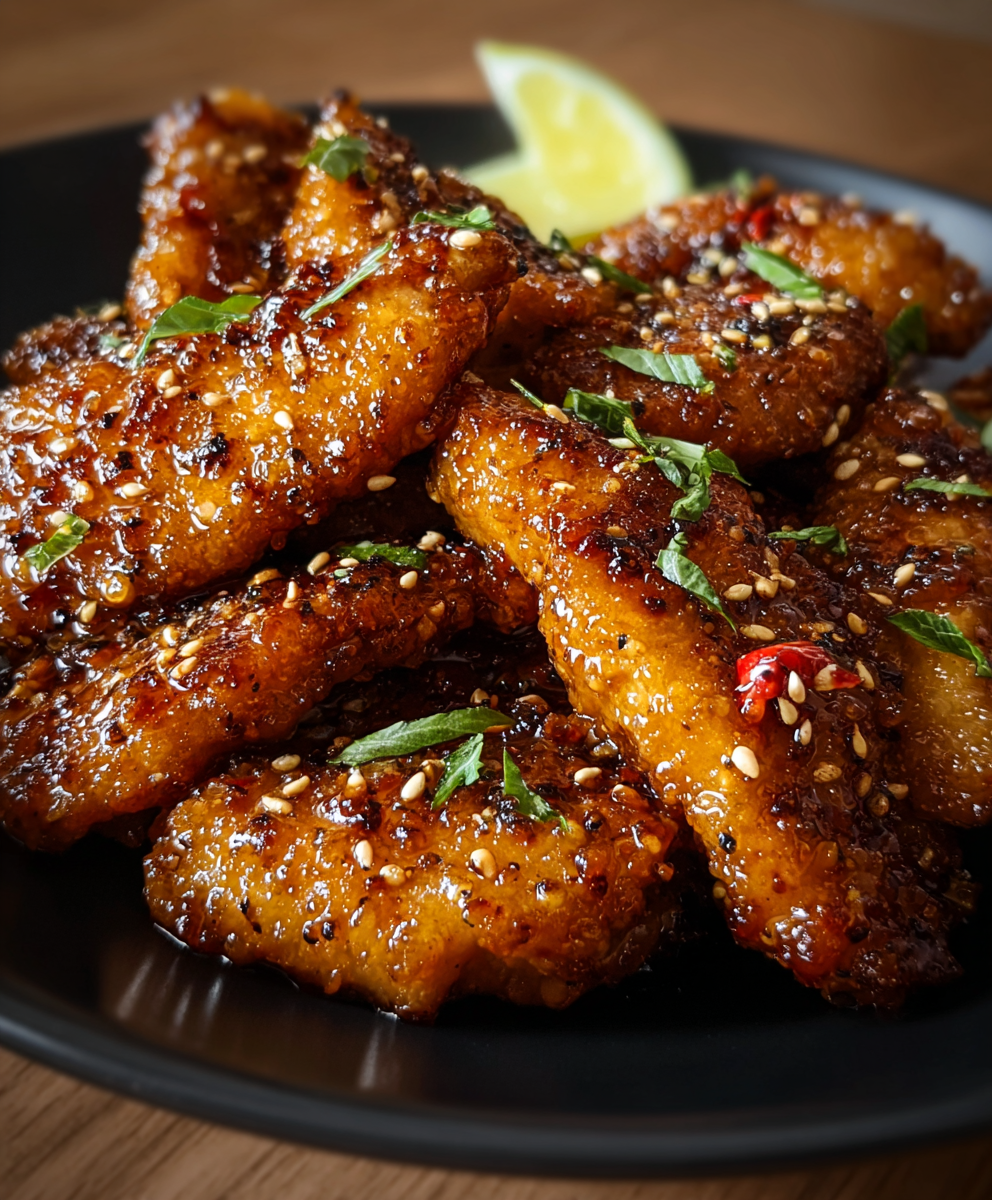
Crispy air-fried chicken pieces tossed in a glossy honey-butter garlic glaze — a 20-minute weeknight favorite that's sweet, savory, and irresistibly sticky.
Leave a comment & rating below or tag @feedcooks on social media!
Enjoyed this recipe? Share it with friends and family, and don't forget to leave a review!
This recipe looks amazing! Can't wait to try it.
Comments are stored locally in your browser. Server comments are displayed alongside your local comments.
Quick and easy dinner ideas delivered to your inbox.